Fluid Intake: Myth vs Fact
Jul 5, 2022 | Faces of HDGH
Fluid Intake: Myth vs Fact
June 21 officially marked the first day of summer and boy have Windsor/Essex residents been feeling the heat! With record-breaking temperatures hitting our region, sun and heat safety is an important part of staying well during hot summer months. In July’s Maison Dieu Health Blog, HDGH Registered Dietitian and Manager of Food and Nutrition Services Tania McNamara confronts some myths and facts about fluid intake during these scorching summer days. Stay Cool, hydrated, healthy and happy reading!
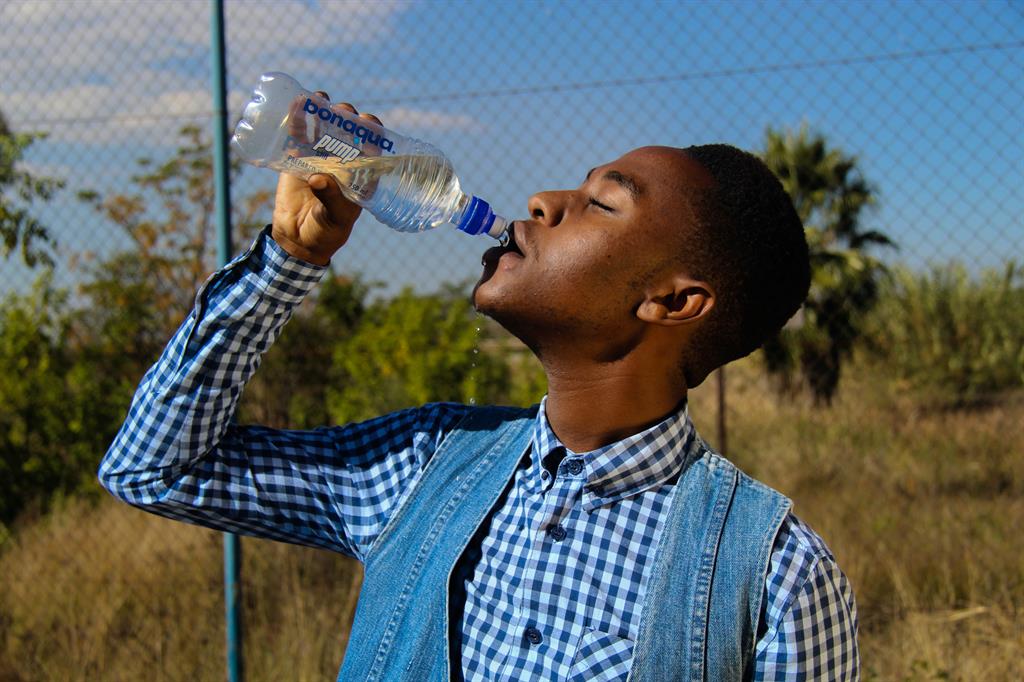
It Is Recommended You Drink Eight 8 Oz Cups Of Water per Day
Myth
Instead of focusing on how much water you drink, look at how much FLUID you drink in a day. Fluid needs are based on age, gender, physical activity level, and medical condition. Spending time outside in hot weather can also increase fluid needs. Daily fluid recommendations for the average man is 13 cups and for the average woman is 9 cups. BUT water is not the only source of fluid in the North American diet. Other sources of fluid can include milk, juice, coffee, tea, fruits, vegetables, and soup.
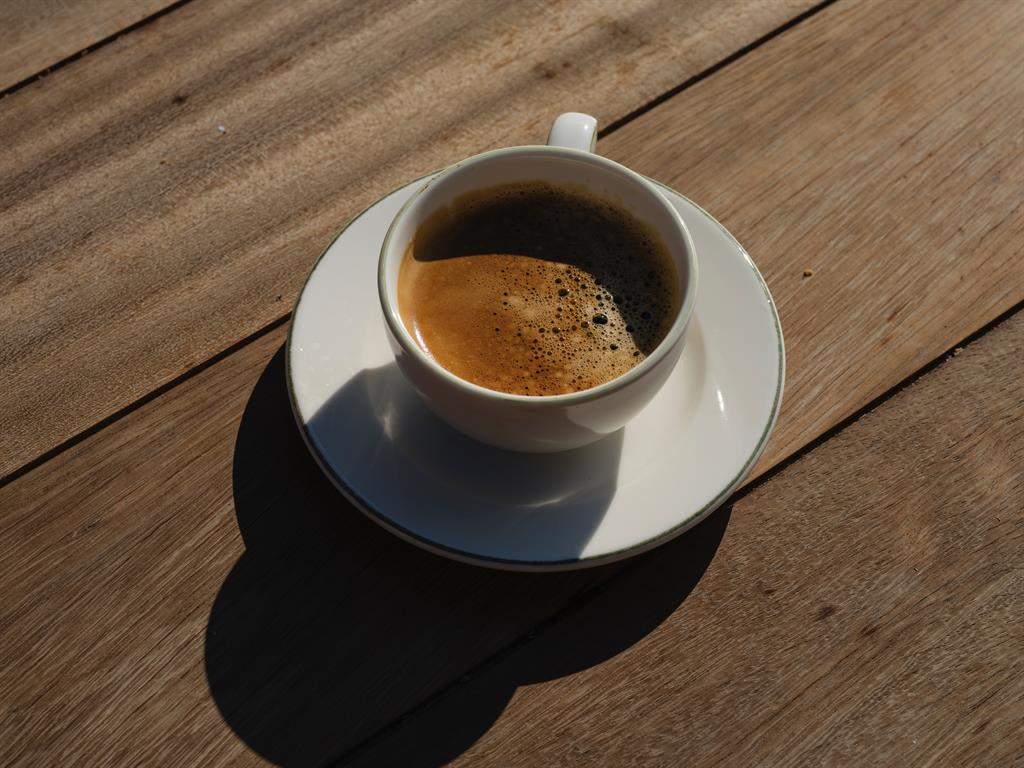
Caffeinated Beverages Such As Coffee, Tea, and Cola Do Not Count Towards Your Daily Fluid Intake
Myth
If you are new to caffeinated beverages, they can have a diuretic effect on your body (i.e., cause your body to urinate more compared to non-caffeinated fluids). However, your body quickly adapts to the effects of caffeine and this diuretic effect becomes very mild with extended caffeine use. If you have always drank caffeinated beverages, they count towards your total fluid intake.
Monitoring the Color Of Your Urine Is A Good Way To Determine If You Are Drinking Enough Fluids
Fact
Light-colored urine is usually a sign you are drinking enough. If you aren’t visiting the washroom often throughout the day and your urine is dark yellow with an odor, you likely need more fluids.
Exception: Be aware that some vitamin, mineral, and herbal supplements can change the color of your urine shortly after you take them.
The Elderly Are At Higher Risk Of Dehydration Due To A Decreased Sensation of Thirst
Fact
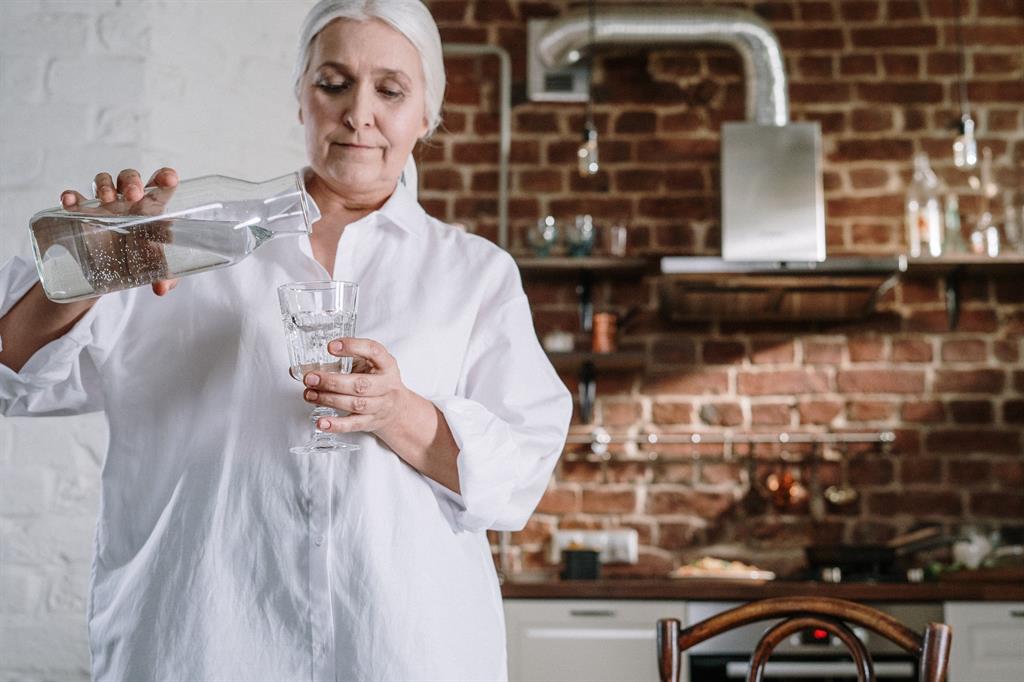
Individuals 65 and older require a minimum of 1.5 to 2 litres of fluid per day, however, their thirst mechanism doesn’t always cue them to drink when they need it. It’s important that elderly individuals monitor the volume of fluids they drink and the color of their urine to ensure they are meeting their fluid needs.
It Is Possible to Drink Too Much Water
Fact, but Only in Rare Cases
Drinking more water than your kidneys can handle is called water intoxication. Water intoxication is rare and usually occurs when a person drinks a large volume of water without correctly accounting for electrolyte losses. Reported cases of water intoxication are related to ultra-endurance sporting events and intense military training, or a condition called psychogenic polydipsia (compulsive water drinking related to serious mental illness). It is difficult to accidentally drink too much water. If you are a recreational exerciser and consuming foods and other beverages in addition to water throughout the day, you will prevent water intoxication.
By The Time You Are Thirsty, You Are Already Mildly Dehydrated
Fact
Thirst is your body’s way of telling you to drink fluids. Signs your dehydration is progressing can include confusion, dizziness, headache, dry lips and mouth, flushed skin, and dark yellow urine with a strong smell. The best way to prevent dehydration is to consume water and other fluid sources consistently throughout the day.
For reliable nutrition information, please visit www.unlockfood.ca.
About The Author
 Tania McNamara graduated from Acadia University with a degree in Nutrition & Dietetics in 2003. After completing her dietetic internship in Halifax, she accepted a job at Hôtel-Dieu Grace Hospital in August 2004. Tania worked as a community dietitian in Windsor until joining Hôtel-Dieu Grace Healthcare as an inpatient dietitian in October 2014. In August 2020, Tania accepted a management role in HDGH Food and Nutrition Services.